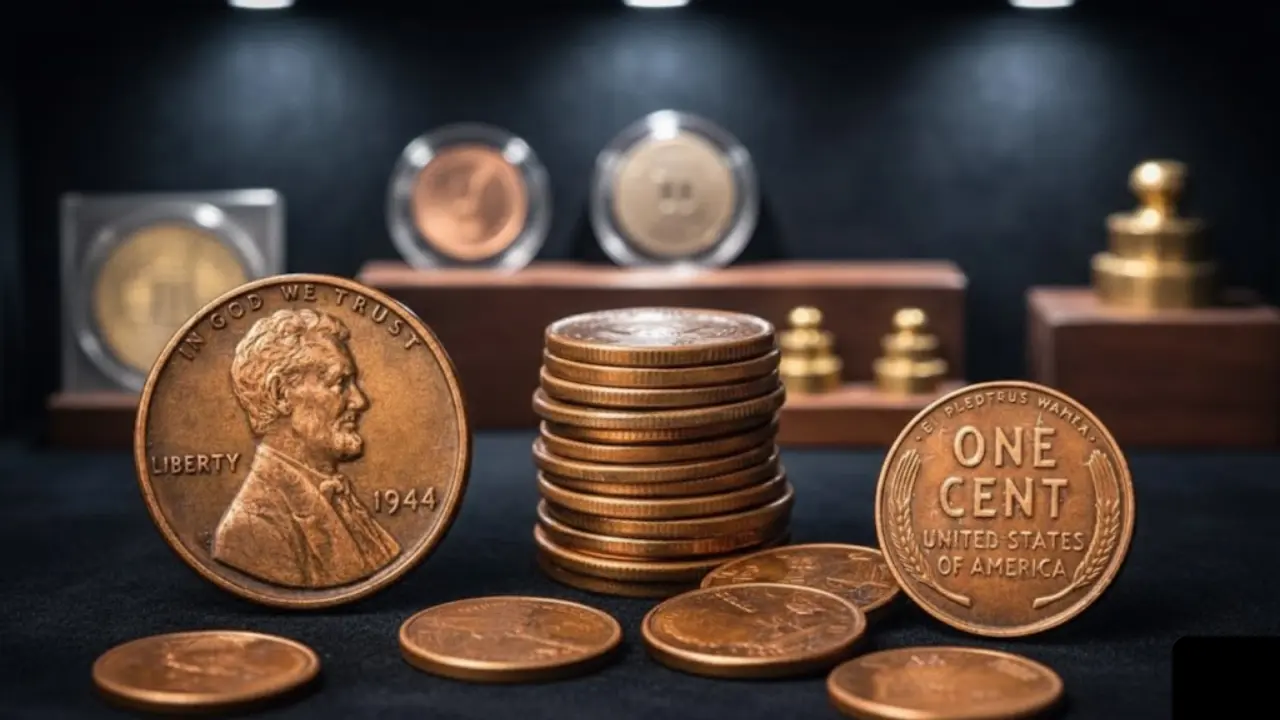
Wheat Penny The Wheat Penny remains one of the most admired coins in American history. Introduced in 1909 to celebrate President Abraham Lincoln, this small copper coin stayed in circulation until 1958. Its simple design, featuring two wheat stalks on the reverse side, gives it the popular nickname “Wheat Penny.” Over time, certain dates and mint marks have become highly collectible, and in 2026 interest in these coins continues to grow among hobbyists and investors alike. While many examples are still affordable, a few rare varieties have reached impressive prices at auctions, making the series exciting for both beginners and experienced collectors.
Historical Background of the Lincoln Wheat Penny
When the Wheat Penny debuted in 1909, it marked a major change in American coin design because it was the first regular U.S. coin to feature a real historical figure. The portrait of Abraham Lincoln was created by designer Victor David Brenner, and the design quickly gained public appreciation. Although millions of pennies were struck each year, not all were produced in equal numbers. Some mints had lower outputs, and a few years saw production challenges that resulted in rare varieties. This historical background explains why collectors carefully study mint records and coin details before determining value.
Key Factors That Influence Wheat Penny Value in 2026
Several important factors determine how much a Wheat Penny may be worth in today’s market. The year of issue plays a major role because some dates had significantly lower mintages. Mint marks, which indicate where the coin was produced, can also greatly affect rarity. Condition is another critical element, as coins with minimal wear command much higher prices than heavily circulated pieces. Mint errors such as doubled lettering or missing mint marks attract strong collector interest. Finally, overall market demand in 2026 continues to support steady price movement, especially for certified high-grade examples.
Rare Wheat Penny Dates Collectors Should Know
A few specific Wheat Pennies stand out for their rarity and strong auction performance. The famous 1909-S VDB is widely recognized for its limited mintage and historical importance. The 1914-D is another scarce issue that is difficult to find in higher grades. The 1922 “No D” variety, produced in Denver without a visible mint mark, remains one of the most talked-about error coins. The 1931-S had a relatively low production total, making it desirable among set builders. The 1955 Double Die penny is well known for its dramatic doubled lettering and remains one of the most popular error coins in American numismatics.
Understanding Mint Marks and Their Importance
Mint marks are small letters located below the date on most Wheat Pennies. Coins struck in Philadelphia typically carry no mint mark, while Denver coins display a “D” and San Francisco coins show an “S.” These tiny letters may seem minor, but they can significantly change a coin’s value. For example, a 1914 penny from Denver is much rarer than the same year from Philadelphia. Collectors carefully examine mint marks because even a small difference can mean a large price gap in 2026.
Wheat Penny Price Trends in 2026
The market for classic American coins has remained strong, and Wheat Pennies continue to benefit from this steady demand. In 2026, auction records show that rare dates in high grades are selling for impressive amounts, especially coins certified by trusted grading companies. Even common dates in average circulated condition often sell above face value due to their copper content and collector appeal. Online marketplaces have also made it easier for buyers and sellers to connect, increasing price transparency and overall market activity.
Complete Wheat Penny Information Table
| Coin/Year | Mint Mark | Special Feature | Estimated Value Range (2026) | Rarity Level |
|---|---|---|---|---|
| 1909-S VDB | S | Low mintage with VDB initials | $800 – $25,000+ | Very Rare |
| 1914-D | D | Low Denver production | $200 – $15,000+ | Rare |
| 1922 No D | None (error) | Missing mint mark variety | $500 – $20,000+ | Rare |
| 1931-S | S | Low mintage year | $100 – $5,000+ | Semi-Rare |
| 1955 Double Die | None | Doubled lettering error | $1,000 – $30,000+ | Very Rare |
| Common Dates (1940s–1950s) | Varies | Regular circulation coins | $0.05 – $5 | Common |
Grading and Authentication in Today’s Market
Professional grading plays a central role in establishing a Wheat Penny’s true value. Independent services evaluate surface quality, strike, and overall preservation before assigning a grade. Coins in Mint State condition usually command much higher prices than worn examples. Authentication is equally important because rare pennies are sometimes counterfeited. Buyers in 2026 often prefer certified coins to ensure authenticity and market confidence.
Smart Collecting Strategies for Beginners
New collectors may consider building a complete set by year and mint mark, which provides a structured and educational approach. Others may focus only on rare dates or dramatic error coins. Careful research, patience, and buying from reputable sellers are key principles for long-term success. Proper storage in coin holders or albums also helps preserve condition and maintain value.
Investment Perspective and Future Outlook
Beyond their collectible appeal, Wheat Pennies are sometimes viewed as tangible assets with long-term potential. Their historical significance, limited supply of key dates, and steady collector demand support ongoing interest. While not every penny is valuable, carefully selected rare coins have shown consistent appreciation over time. Looking ahead, continued enthusiasm among younger collectors and easier online access to auctions suggest that Wheat Pennies will remain a strong part of the coin market for years to come.
Conclusion
The Wheat Penny continues to capture attention in 2026 because it blends history, rarity, and affordability in one small coin. While many examples remain modestly priced, specific dates and mint marks can be worth significant amounts. By understanding mint marks, condition, and market trends, collectors can make informed decisions and enjoy the rewarding experience of coin collecting. Whether kept as a hobby or held as a long-term collectible, Wheat Pennies remain an enduring symbol of American numismatic heritage.